



Overview
Bitcoin has experienced a downward correction, dipping below the $74,000 threshold as market participants recalibrate their expectations for U.S. monetary policy. The catalyst for this volatility is recent consumer price index (CPI) data, which has intensified concerns regarding persistent inflationary pressures and the potential for a more hawkish stance from the Federal Reserve.
Official Facts
According to reports from Yahoo Finance, Bitcoin’s valuation declined on Wednesday. The primary driver identified for this price movement is the growing market consensus that the Federal Reserve may implement additional interest rate hikes in the near future. This shift in sentiment is directly linked to the release of CPI data, which signaled that inflation remains sticky rather than cooling as some analysts had previously anticipated.
Why It Matters for Markets
The relationship between interest rates and risk-on assets like Bitcoin is historically inverse. When the cost of borrowing rises, the opportunity cost of holding non-yielding assets increases, often leading to capital outflows from speculative markets. Asset classes most exposed to this environment include cryptocurrencies, high-growth technology stocks, and long-duration fixed-income securities. As the market prices in a more aggressive central bank, liquidity conditions tighten, creating a challenging environment for assets that rely on easy-money policies to sustain momentum.
Bull Case
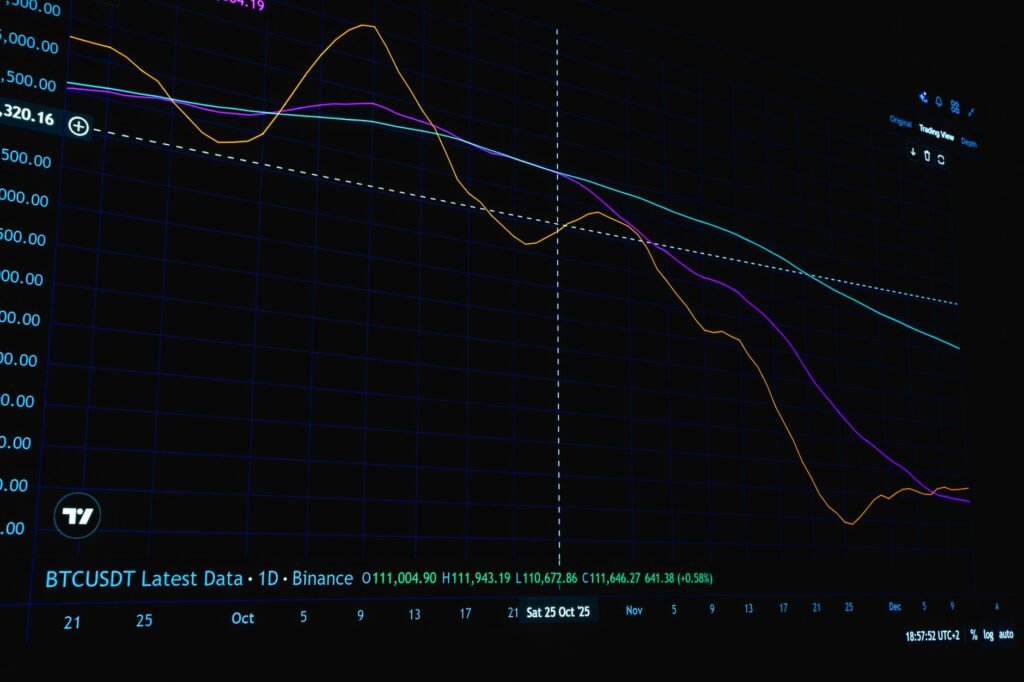
The bullish perspective rests on the potential for the Federal Reserve to eventually reach a terminal rate or for Bitcoin to demonstrate its purported role as a hedge against long-term currency debasement. If the market determines that the recent inflation spike is transitory or if economic growth shows signs of fragility despite the price pressures, the Fed might be forced to pivot or pause. Should institutional adoption continue to scale regardless of short-term rate volatility, the current dip could be viewed by some market participants as an opportunity to accumulate at lower price levels.
Bear Risk
The bearish outlook is anchored in the reality of ‘higher for longer’ interest rates. If the Federal Reserve maintains a restrictive policy stance to combat sticky inflation, the liquidity drain could suppress Bitcoin’s price for an extended duration. Furthermore, if higher rates trigger a broader economic slowdown or recession, risk assets typically face significant selling pressure as investors seek the safety of cash or high-quality government bonds. The failure to maintain support levels below $74,000 could lead to further technical selling and a shift in market sentiment toward a more defensive posture.
What to Watch Next
Investors should monitor upcoming Federal Open Market Committee (FOMC) meeting minutes and statements from central bank officials for clues regarding the trajectory of rate hikes. Additionally, future CPI and Personal Consumption Expenditures (PCE) prints will be critical in determining whether inflation is truly entrenched. Uncertainty remains regarding the exact timing and magnitude of future policy adjustments, making macroeconomic data releases the primary volatility triggers for the crypto market in the short term.
Source
Yahoo Finance: https://finance.yahoo.com/markets/crypto/articles/bitcoin-falls-below-74k-hot-070113807.html?.tsrc=rss
This analysis is for information only and is not investment advice.
Related Analysis
- Bitcoin Retreats Amid Shifting U.S. Legislative Landscape
- Bitcoin Stalls Under $76K Amid Regulatory Headwinds
- Bitcoin Stabilizes as Exchanges Recover Operations
Visual credits: Rafael Minguet Delgado / Pexels; Rafael Minguet Delgado / Pexels; Rafael Minguet Delgado / Pexels