




Overview
As digital assets continue to navigate shifting macroeconomic landscapes, long-term valuation models for Bitcoin have gained renewed attention. A recent projection suggests that if the asset sustains its historical expansion rate, its valuation could reach $300,000 within the next five years. This analysis explores the mechanics behind such a forecast and the broader implications for global portfolios.
Official Facts
According to reports originating from The Motley Fool, Coinbase CEO Brian Armstrong has posited that Bitcoin possesses the potential to reach a price target of $300,000 by 2030. This projection is fundamentally anchored to the assumption that the cryptocurrency will maintain its historical rate of growth over the intervening period. There is currently no provided data regarding the specific volatility metrics or external regulatory variables that might influence this trajectory.
Why It Matters for Markets
The prospect of a six-figure Bitcoin valuation carries significant weight for institutional and retail asset allocation strategies. The asset classes most exposed to this potential movement include digital asset derivatives, publicly traded crypto-exchange equities, and traditional technology stocks that have increasingly correlated with Bitcoin’s performance. If Bitcoin were to achieve this growth, it would likely necessitate a massive shift in global liquidity, potentially drawing capital away from traditional safe-haven assets like gold or sovereign bonds. The market impact would be most pronounced in the volatility indices of risk-on assets, as Bitcoin’s maturation into a $300,000 asset would fundamentally alter its status within institutional portfolios.
Bull Case
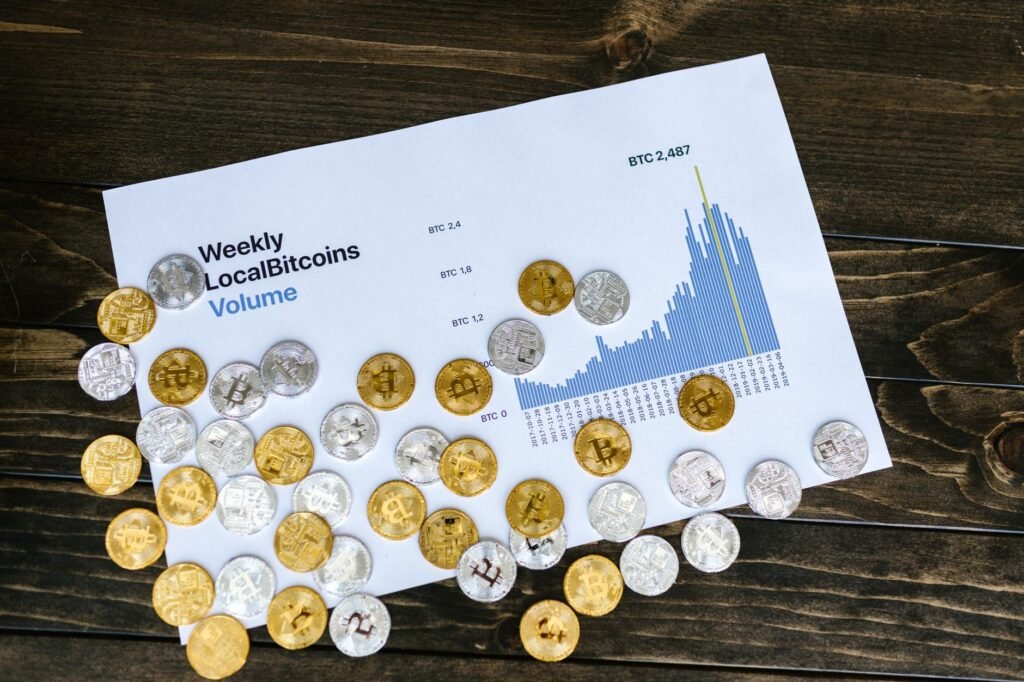
The primary argument for this valuation rests on the continuation of historical performance trends. If the asset maintains its established growth trajectory, the compounding effect would naturally push the price toward the $300,000 threshold. Proponents of this view argue that as Bitcoin becomes more deeply integrated into the global financial infrastructure, the scarcity mechanism inherent in its protocol will act as a persistent tailwind, potentially rewarding long-term holders as adoption reaches critical mass.
Bear Risk
The primary risk to this projection is the assumption of linear historical growth. Financial markets are rarely static, and the bear case highlights that past performance is not a reliable indicator of future results. External shocks—ranging from legislative crackdowns on digital asset exchanges to shifts in global monetary policy—could decouple Bitcoin from its historical growth trend. Furthermore, the uncertainty surrounding future technological competition or changes in retail investor sentiment could lead to significant drawdowns that invalidate the current growth curve.
What to Watch Next

Investors should monitor the consistency of Bitcoin’s adoption rates and any significant changes in the regulatory environment governing digital assets. It remains uncertain how macroeconomic factors, such as interest rate cycles or inflation adjustments, will interact with the asset’s long-term growth model. Tracking the correlation between Bitcoin and traditional equity markets will be essential to understanding whether the asset is gaining independence or remaining tethered to broader market liquidity cycles.
Source
The Motley Fool, www.fool.com
This analysis is for information only and is not investment advice.
Related Analysis
- Bitcoin’s Resurgence: Macro Catalysts and Market Implications
- BlackRock’s Strategic Outlook: Bitcoin as a Hedge Against Fiscal Instability
- Bitcoin Breaks $80K: Debasement Trades and Policy Shifts
Visual credits: Leeloo The First / Pexels; RDNE Stock project / Pexels; Rafael Minguet Delgado / Pexels