




Overview
Bitcoin has experienced a notable decline, retreating to the $74,000 level. This downward movement extends a broader negative trend observed over the previous week, driven by a combination of capital outflows from exchange-traded products and an evolving regulatory environment in the United States.
Official Facts
Based on recent reports, Bitcoin’s price has slipped to $74,000. This decline represents a continuation of a downward trajectory that began last week. The primary drivers identified include a cooling of investor appetite for digital assets following a Democratic sweep of the U.S. Congress, which has injected uncertainty regarding future regulatory frameworks. Additionally, data indicates that outflows from Bitcoin ETFs have contributed to the current selling pressure.
Why It Matters for Markets
The current price action highlights the sensitivity of digital assets to legislative shifts. When political outcomes suggest a potential tightening of oversight or a less favorable environment for crypto-native businesses, risk-on sentiment often evaporates. Asset classes most exposed to this volatility include spot Bitcoin ETFs, crypto-related equities, and broader altcoin markets, which typically mirror Bitcoin’s directional bias. The correlation between regulatory clarity and institutional capital inflows remains a critical transmission mechanism for market stability.
Bull Case
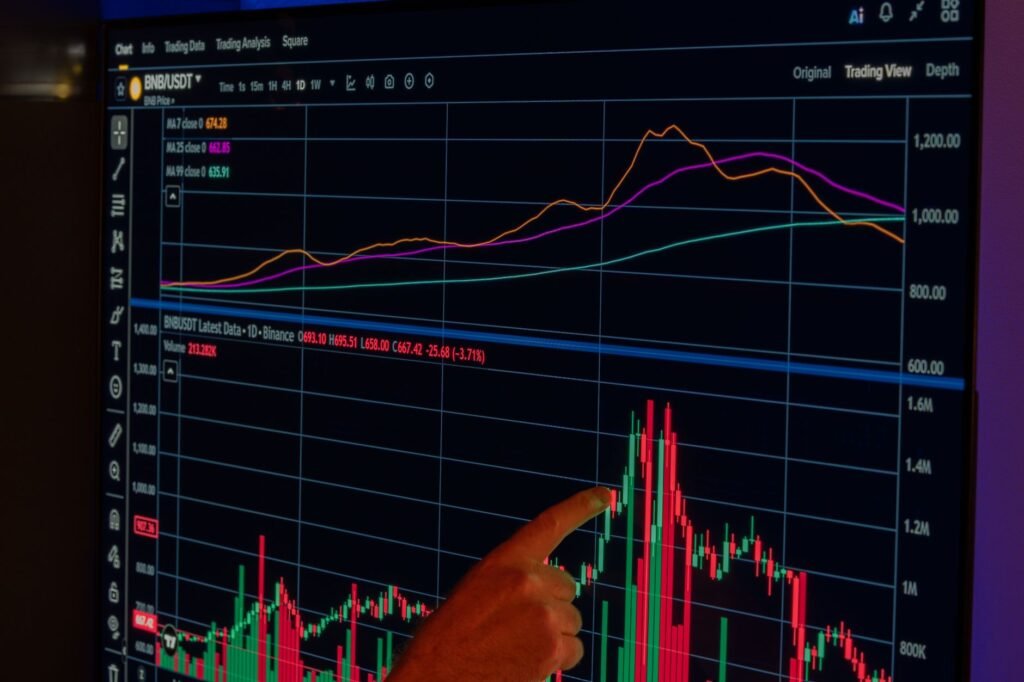
The bull case rests on the possibility that the current market reaction is an overcorrection to political news. If the legislative environment proves less restrictive than the market currently fears, or if institutional demand via ETFs stabilizes, the $74,000 support level could serve as a floor for a potential recovery. Historically, Bitcoin has demonstrated resilience following periods of policy-driven uncertainty, provided that underlying demand from long-term holders remains intact.
Bear Risk
The bear risk centers on the persistence of ETF outflows. Should institutional investors continue to divest from Bitcoin-linked products, the lack of buying support could lead to a deeper retracement. Furthermore, if the regulatory outlook remains opaque or shifts toward more restrictive policies, the negative sentiment could weigh on the asset for an extended period, potentially testing lower support levels as market participants rotate into safer, more traditional asset classes.
What to Watch Next

Investors should monitor net flows into U.S.-based Bitcoin ETFs, as these serve as a proxy for institutional conviction. Additionally, any official commentary or policy proposals emerging from the new Congressional session will be vital in determining the long-term regulatory trajectory. Uncertainty remains regarding whether this downturn is a temporary consolidation or the beginning of a more sustained trend, making the monitoring of trading volumes and price action at the $74,000 level essential for gauging market sentiment.
Source
Finance.yahoo.com: Bitcoin slips to $74k as regulatory uncertainty, ETF outflows weigh
This analysis is for information only and is not investment advice.
Related Analysis
- Bitcoin Stalls Under $76K Amid Regulatory Headwinds
- Bitcoin Stabilizes as Exchanges Recover Operations
- Binance Resumes Operations Following Massive $6 Billion Security Breach
Visual credits: Alesia Kozik / Pexels; Rafael Minguet Delgado / Pexels; Leeloo The First / Pexels