




Overview
Wall Street experienced a significant downturn on Thursday, characterized by a sharp retreat in technology-heavy indices. The sell-off was particularly acute among firms tied to artificial intelligence and infrastructure, marking a rapid departure from the optimism observed during the previous day’s post-election rally.
Official Facts
According to reports from the Goldman Sachs trading desk, the market witnessed a “spectacular” reversal in sentiment. The primary sectors impacted were AI-related chipmakers and infrastructure providers. This volatility occurred immediately following a period of gains that had followed the recent election cycle. The firm noted a high volume of client engagement, describing the situation as phones “exploding” with inquiries regarding the sudden price action.
Why It Matters for Markets
This event is critical because it highlights the fragility of current market leadership. The sectors involved—AI and infrastructure—have been the primary engines of equity growth throughout the year. When these high-beta segments experience a synchronized reversal, the impact is rarely contained. Equity markets, particularly the Nasdaq and semiconductor-focused ETFs, are most exposed to this volatility. Furthermore, the rapid shift from post-election optimism to a “spectacular” sell-off suggests that the market’s risk appetite is currently highly sensitive to sector-specific news flow rather than broader macroeconomic fundamentals.
Bull Case
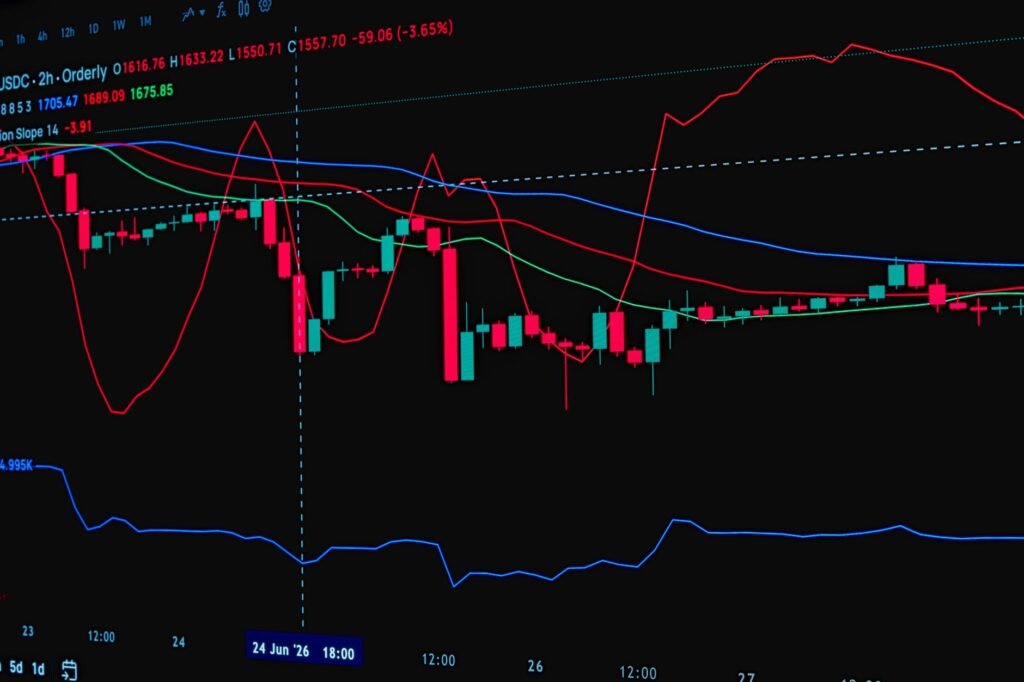
From a contrarian perspective, the “spectacular” nature of the reversal could be interpreted as a classic capitulation event. If investors view this as a temporary correction within a secular bull market, the dip may be perceived as an entry point for long-term capital. The bull case rests on the assumption that the fundamental demand for AI infrastructure remains intact, and that the recent price action was merely a technical flush of leveraged positions rather than a fundamental reassessment of the industry’s growth trajectory.
Bear Risk
The bear risk is that this reversal signifies a structural “topping out” process for the AI trade. If institutional investors have begun to rotate capital out of high-valuation tech names into defensive sectors, the downward pressure could become self-reinforcing. The risk is that the “exploding” phone volume indicates widespread panic among retail and institutional traders alike, which often precedes a sustained period of volatility. If the infrastructure build-out is perceived to be slowing, the valuation multiples assigned to these chipmakers may face a significant downward adjustment.
What to Watch Next
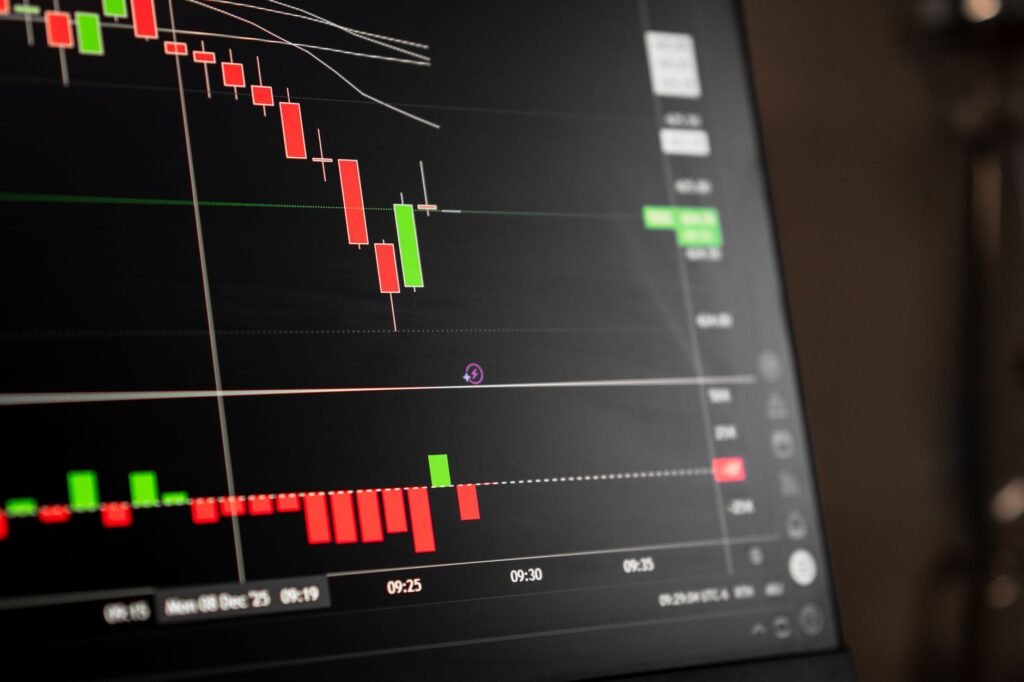
Investors should monitor the consistency of trading volume during the next few sessions to determine if this was a one-day anomaly or the start of a trend. It remains uncertain whether this volatility will spill over into broader financial markets or if it will remain confined to the technology sector. Additionally, watch for any commentary from major industry players that could either validate or refute the current market pessimism regarding AI infrastructure spending.
Source
Data provided by Yahoo Finance: https://finance.yahoo.com/markets/stocks/articles/phones-exploding-goldman-sachs-dissects-223300200.html?.tsrc=rss
This analysis is for information only and is not investment advice.
Related Analysis
- Midterm Resolution Catalyzes Equity Surge: A Macro Perspective
- Unpacking Steel Dynamics: A Macro-Finance Perspective on STLD Performance
- Nasdaq Retreats: Assessing the October Tech Correction
Visual credits: Rafael Minguet Delgado / Pexels; Rafael Minguet Delgado / Pexels; Alex Luna / Pexels