




Overview
The technology sector faced significant headwinds in October, culminating in a monthly decline of over 5% for the Nasdaq Composite. This performance marks the index’s weakest monthly showing since March 2025, as investor sentiment soured following earnings reports from key industry pillars.
Official Facts
According to market data, the Nasdaq Composite concluded October with a loss exceeding 5%. This downturn represents the index’s most difficult month since March 2025. The primary catalysts for this sell-off were underwhelming financial results from major technology corporations, specifically Amazon and Intel. These earnings reports triggered a broader decline across Wall Street on the final trading day of the month.
Why It Matters for Markets
The concentration of market capitalization in a small group of technology firms means that when these leaders falter, the impact is felt across the entire equity landscape. The primary asset classes most exposed to this volatility include growth-oriented equities, exchange-traded funds (ETFs) tracking the Nasdaq-100, and derivative instruments linked to tech sector performance. Because the artificial intelligence trade has served as a primary engine for market gains throughout the year, any signs of cooling earnings growth in this segment create a disproportionate ripple effect, potentially leading to broader index rebalancing and increased volatility in tech-heavy portfolios.
Bull Case
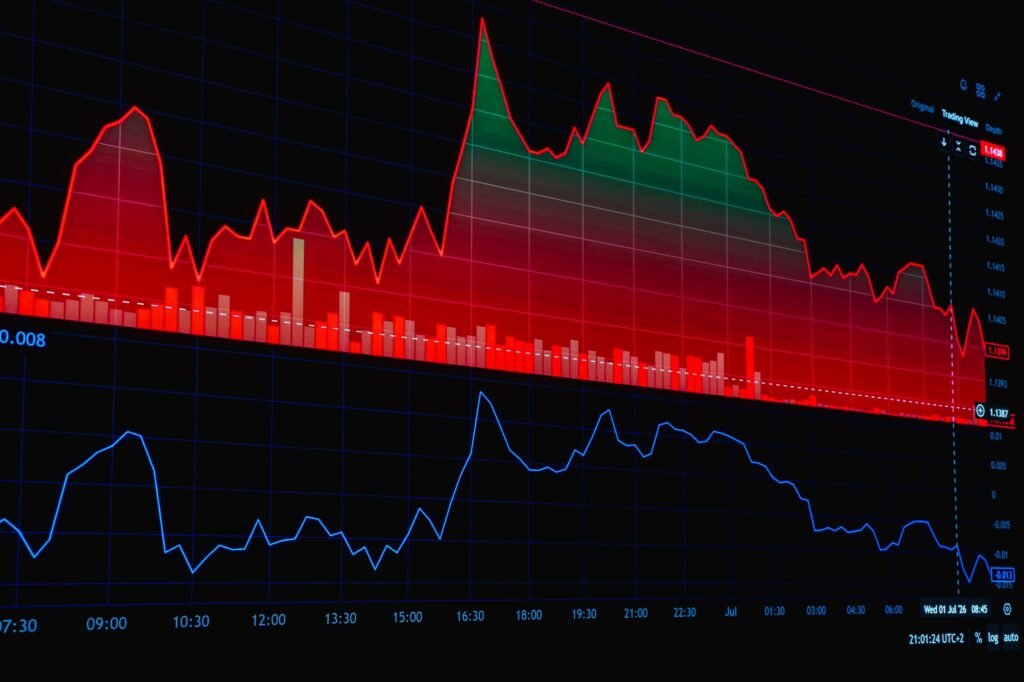
The bull argument rests on the premise that the recent sell-off is a localized reaction to specific corporate earnings rather than a fundamental breakdown in long-term technological adoption. If Amazon and Intel are outliers in their performance, investors may view the current price compression as a buying opportunity. Should subsequent earnings reports from other major tech entities exceed expectations, the market could regain its footing, suggesting that the October slide was merely a temporary correction within a larger, ongoing cycle of digital transformation.
Bear Risk
The bear risk centers on the sustainability of the artificial intelligence trade. If the disappointing results from Amazon and Intel signal a broader trend of diminishing returns on massive AI infrastructure spending, the market may face a prolonged period of valuation compression. Investors are currently grappling with the uncertainty of whether these firms can effectively monetize their AI investments. A sustained loss of confidence in the sector could trigger further outflows from growth stocks, especially if market participants begin to rotate capital into defensive sectors or fixed-income assets to mitigate exposure to high-beta tech volatility.
What to Watch Next

Investors should monitor upcoming earnings calls from other major technology firms to determine if the struggles reported by Amazon and Intel are systemic or idiosyncratic. Additionally, market participants will likely keep a close eye on the Nasdaq’s technical support levels to see if the index can stabilize or if further downside momentum is building. The broader market reaction to these tech-specific developments will be critical in determining whether the current weakness remains contained or spreads to the broader indices.
Source
Finance.yahoo.com: https://finance.yahoo.com/markets/stocks/articles/u-stock-futures-sink-nasdaq-013610173.html?.tsrc=rss
This analysis is for information only and is not investment advice.
Related Analysis
- The Meme-ification of Big Tech: Analyzing Mark Cuban’s Market Warning
- Market Caution Prevails: Tech Volatility Ahead of Earnings and Fed Policy
- Steel Sector Volatility: Analyzing the Tariff Uncertainty Impact
Visual credits: Alesia Kozik / Pexels; Rafael Minguet Delgado / Pexels; Rafael Minguet Delgado / Pexels