


Overview
The distinction between speculative assets and fundamental value is blurring as high-profile technology giants increasingly trade on sentiment rather than traditional financial metrics. Recent commentary from entrepreneur Mark Cuban suggests that market participants are treating established blue-chip companies with the same speculative fervor typically reserved for volatile, community-driven meme stocks, raising questions about the sustainability of current market valuations.
Official Facts
According to reports, Mark Cuban stated in an interview with Steven Bartlett that major technology firms, specifically Apple Inc. (AAPL), Alphabet Inc. (GOOGL), and Micron Technology (MU), are being traded as “meme stocks.” Cuban observed that these assets are currently driven by “perceived value” instead of their underlying financial fundamentals. The source indicates these remarks were made in the context of broader concerns regarding a potential market bubble.
Why It Matters for Markets
When market leaders—which typically anchor institutional portfolios and index funds—begin trading based on momentum rather than earnings, the structural integrity of the broader market is tested. Asset classes most exposed to this shift include large-cap technology equities and growth-oriented exchange-traded funds (ETFs). Because these stocks carry significant weight in major indices like the S&P 500 and Nasdaq, a shift in sentiment toward “perceived value” can trigger outsized volatility across the entire equity landscape. If the market decouples from fundamentals, the risk of a rapid repricing event increases, potentially impacting retail portfolios that rely on these companies for stability.
Bull Case
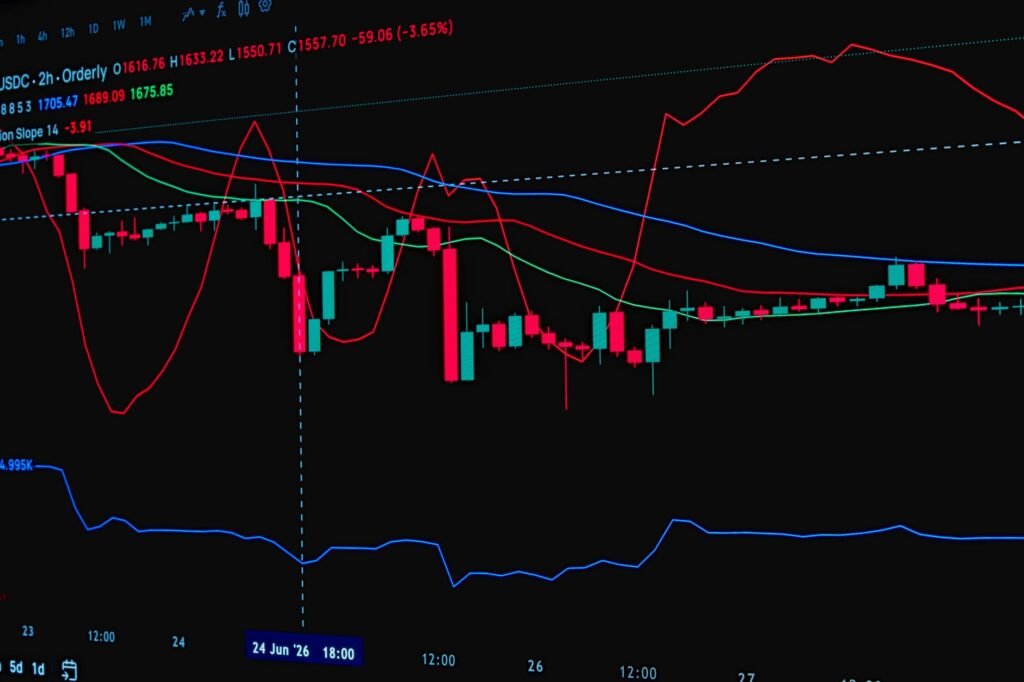
The bull case suggests that “perceived value” is not necessarily a negative indicator but rather a reflection of the immense future potential of these firms. Proponents of this view might argue that if these companies continue to innovate and capture market share in emerging sectors, current valuations may be justified by future earnings growth. In this scenario, the “meme stock” label is simply a byproduct of high investor enthusiasm for technological dominance, and the market is merely pricing in long-term disruption rather than current balance sheet data.
Bear Risk
The bear risk centers on the fragility of sentiment-driven trading. If investors abandon the “perceived value” narrative, the lack of a fundamental floor could lead to aggressive sell-offs. Unlike traditional value investing, where a stock might reach a price point that attracts bargain hunters, a meme-style collapse often lacks a natural support level. This creates a risk of cascading liquidations, particularly if institutional investors decide to rotate out of these positions simultaneously, leaving retail investors holding assets that have drifted far from their intrinsic worth.
What to Watch Next
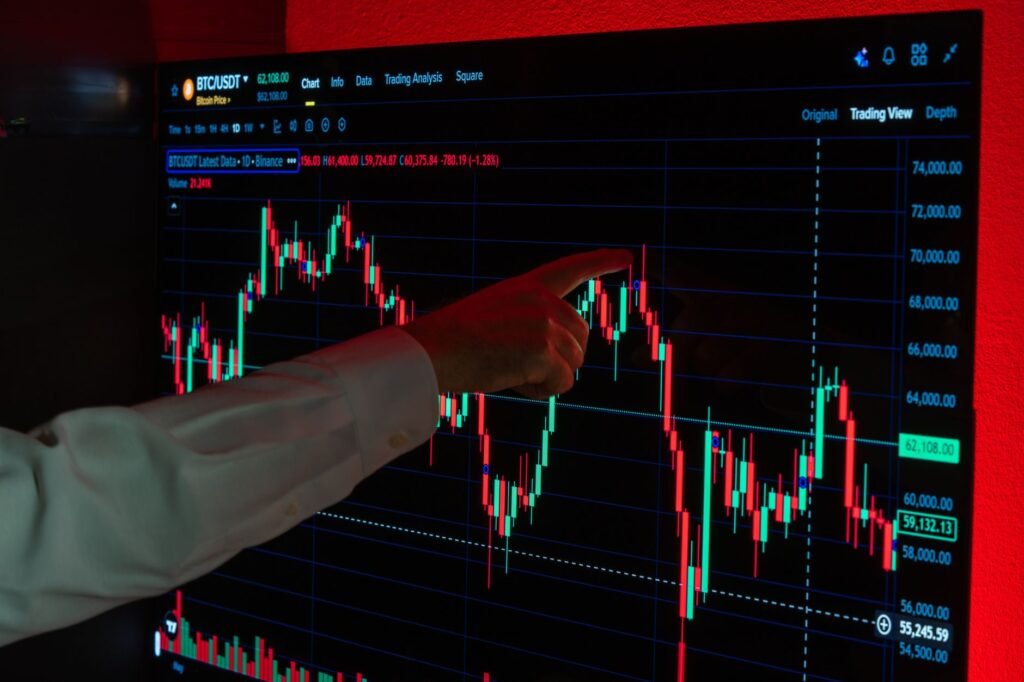
Investors should monitor the correlation between earnings reports and price action. If these companies continue to see price appreciation despite missing earnings targets or providing weak guidance, it confirms the “perceived value” theory. Additionally, tracking the volume of retail-driven options trading on these specific tickers may provide insight into whether the speculative activity is intensifying or beginning to cool. Uncertainty remains regarding whether this trend is a permanent shift in market behavior or a temporary cycle driven by current liquidity conditions.
Source
The information provided in this analysis is based on the report titled “We’re Trading Them Like Baseball Cards: Mark Cuban Warns ‘Everything’s a Meme Stock’ as AAPL, GOOGL and MU Fuel Market Bubble Fears,” available at Yahoo Finance.
This analysis is for information only and is not investment advice.
Related Analysis
- Market Caution Prevails: Tech Volatility Ahead of Earnings and Fed Policy
- Steel Sector Volatility: Analyzing the Tariff Uncertainty Impact
- Market Stasis: Semiconductors Falter as Inflation Data Looms
Visual credits: Rafael Minguet Delgado / Pexels; Rafael Minguet Delgado / Pexels; Rafael Minguet Delgado / Pexels