



Market Overview
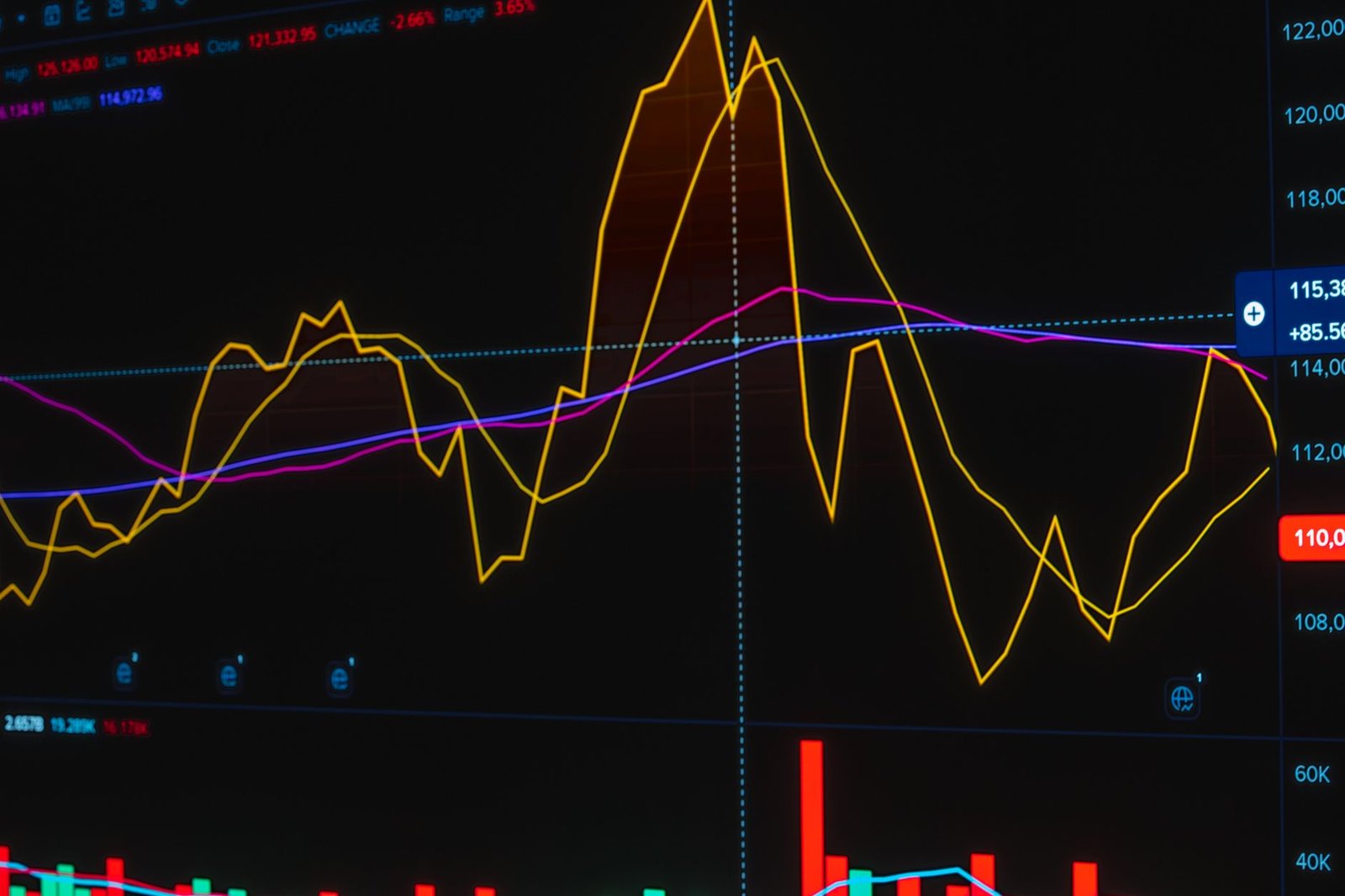
U.S. equity futures are currently exhibiting minimal movement following a session characterized by a broad decline in the technology sector. Market participants are exercising restraint as they position portfolios ahead of the release of September’s consumer inflation report, which is expected to provide critical insight into the trajectory of future Federal Reserve monetary policy.
Official Facts
According to market data, U.S. stock futures showed little change on Tuesday evening. This follows a trading session where major indices closed lower, primarily driven by significant losses within the semiconductor industry. The primary catalyst for current investor caution is the impending publication of the September consumer price index (CPI).
Why It Matters for Markets
The semiconductor sector often serves as a bellwether for broader market sentiment regarding growth and capital expenditure. When chipmakers experience sharp sell-offs, it frequently triggers volatility across the tech-heavy Nasdaq and the broader S&P 500. For global retail investors, this creates a period of heightened sensitivity to macroeconomic indicators. The most exposed asset classes include growth-oriented technology equities, semiconductor-focused exchange-traded funds (ETFs), and interest-rate-sensitive instruments like Treasury bonds. If inflation data deviates from consensus expectations, the resulting volatility could impact currency markets, specifically the U.S. Dollar, as traders adjust their outlook for the Federal Reserve’s interest rate path.
Bull Case
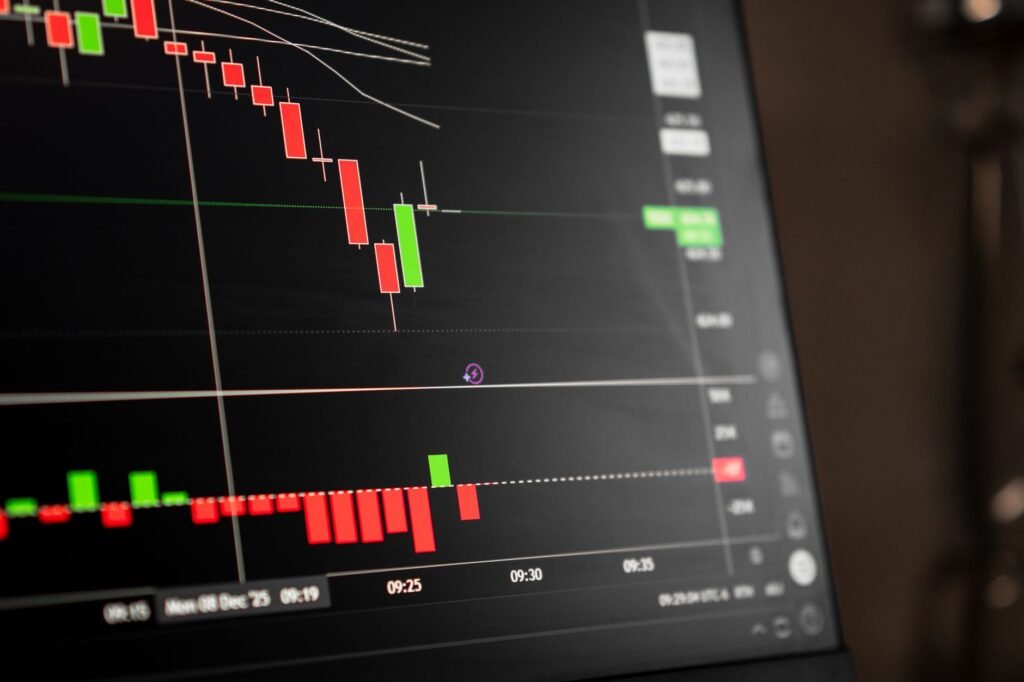
A bullish scenario relies on the upcoming CPI data demonstrating that inflationary pressures are cooling more rapidly than anticipated. Should the report indicate a significant deceleration in price growth, it could bolster the argument for further Federal Reserve interest rate cuts. Such a development would likely alleviate pressure on growth stocks, potentially triggering a recovery in the semiconductor sector and providing a tailwind for broader equity indices as borrowing costs become more favorable for corporate expansion.
Bear Risk
Conversely, the bear risk centers on the possibility of a ‘sticky’ inflation reading. If the September CPI data reveals that price increases remain persistent or accelerate, the Federal Reserve may be compelled to maintain a restrictive interest rate environment for a longer duration. This would likely exacerbate the recent losses in the semiconductor sector, as high-growth tech firms are particularly vulnerable to elevated discount rates. Furthermore, such a scenario could lead to a broader market correction as investors reprice the risk of a ‘higher-for-longer’ monetary policy stance.
What to Watch Next

The immediate focus for the market is the release of the September consumer inflation report. Investors should monitor whether the actual figures align with market expectations or reveal unexpected deviations. Additionally, it remains uncertain how chipmaker volatility will evolve; it is unclear whether the recent losses represent a fundamental shift in sector demand or a temporary correction. Market participants should observe how the broader indices react to the inflation print, as this will likely dictate the short-term trend for equity markets.
Source
Yahoo Finance: https://finance.yahoo.com/markets/stocks/articles/u-stock-futures-muted-chip-012425121.html?.tsrc=rss
This analysis is for information only and is not investment advice.
Related Analysis
- Macro Outlook: Bank Earnings and Inflation Data Set the Stage for Markets
- Steel Sector Volatility: Assessing the Impact of Stalled U.S.-Canada Trade Negotiations
- Macro Currents: Trade Tensions and Tech Catalysts
Visual credits: Rafael Minguet Delgado / Pexels; Alex Luna / Pexels; Rafael Minguet Delgado / Pexels