


Overview
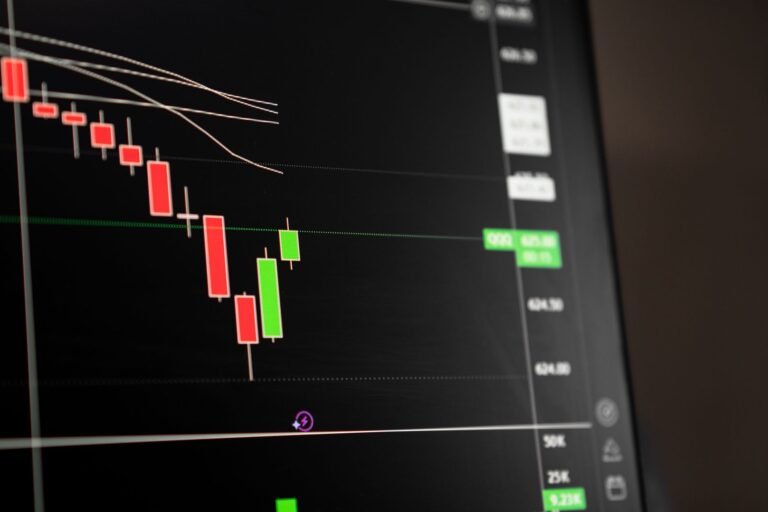
U.S. stock market sentiment shifted toward a defensive posture during the early Friday session as the technology sector’s recent rebound encountered significant resistance. The primary catalyst for this reversal is a sudden leadership transition at Nvidia, which has introduced a layer of corporate uncertainty that investors are currently struggling to price into equity valuations.
Official Facts
According to reports, U.S. stock index futures have moved into negative territory. This decline follows a period of attempted recovery for technology stocks. The central development driving this market movement is the abrupt departure of Nvidia CEO Jensen Huang. This event has been characterized by market observers as a potential governance crisis for the semiconductor giant.
Why It Matters for Markets
The departure of a high-profile executive from a market-leading firm often triggers immediate volatility, particularly when that firm serves as a bellwether for the broader tech sector. Asset classes most exposed to this development include semiconductor equities, growth-oriented ETFs, and broader technology indices. Because Nvidia has been a primary driver of recent market performance, the uncertainty surrounding its governance creates a ripple effect that impacts investor confidence across the entire growth complex. The sudden nature of the exit prevents markets from adjusting to a clear succession plan, leading to the current cooling of futures.
Bull Case
A potential bull scenario suggests that the market may eventually decouple from the specific governance issues at Nvidia if the firm demonstrates structural resilience. If the underlying demand for artificial intelligence hardware remains robust and the company provides a clear, stable path forward regarding its executive leadership, investors might view the current price dip as a temporary overreaction. In this view, the fundamental value proposition of the company remains intact despite the change in personnel.
Bear Risk
The bear risk centers on the potential for prolonged instability. If the departure of the CEO signals deeper, undisclosed internal issues or triggers a period of strategic drift, the market may reprice the stock to reflect a higher risk premium. Furthermore, if this governance crisis forces a re-evaluation of the entire semiconductor sector’s valuation, it could lead to a broader correction in tech-heavy indices. Uncertainty regarding the company’s future direction is the primary threat to current price levels.
What to Watch Next
Investors should monitor official communications from the company regarding the permanent succession plan and any potential impact on upcoming earnings guidance. It remains uncertain how long the market will remain in this state of flux or whether the leadership change will result in a shift in corporate strategy. Market participants will be looking for stability in the share price and clarity from the board of directors to determine if this is a contained event or the beginning of a larger trend of volatility for the technology sector.
Source
Finance.yahoo.com: https://finance.yahoo.com/markets/stocks/articles/u-stock-futures-rise-nvidia-003952316.html?.tsrc=rss
This analysis is for information only and is not investment advice.
Related Analysis
- Riot Platforms and the Pivot to AI: A Structural Shift in Mining Economics
- Micron Earnings Spark Tech Rally: A Macro-Finance Perspective
- Macro Pulse: Yield Stabilization and the Micron Catalyst
Visual credits: Nicolas Foster / Pexels; Jakub Pabis / Pexels; Jeremy Waterhouse / Pexels