




Overview
Institutional capital flows into spot Bitcoin exchange-traded funds (ETFs) have experienced a significant reversal, with investors withdrawing $635 million on October 22. This movement suggests a shift in risk appetite among institutional participants, prompting questions regarding the sustainability of current price support levels and the broader implications for digital asset valuations.
Official Facts
According to data reported by BeInCrypto, spot Bitcoin ETFs recorded a net outflow of $635 million on October 22. Analysis provided by DWF Labs indicates that historical patterns of ETF selling tend to intensify once specific price thresholds are breached. The data confirms that this particular outflow occurred prior to the asset reaching the historical price levels typically associated with accelerated divestment.
Why It Matters for Markets
The sudden withdrawal of capital from these regulated vehicles impacts market liquidity and price discovery. Institutional flows are primary drivers of Bitcoin’s recent volatility, as these funds act as a bridge between traditional finance and crypto-native assets. Asset classes most exposed to these shifts include Bitcoin itself, correlated altcoins, and equity-linked crypto mining stocks, which often mirror the sentiment of ETF-based institutional investors. When large-scale outflows occur, the reduction in buying pressure can lead to increased slippage and heightened volatility across derivative markets.
Bull Case
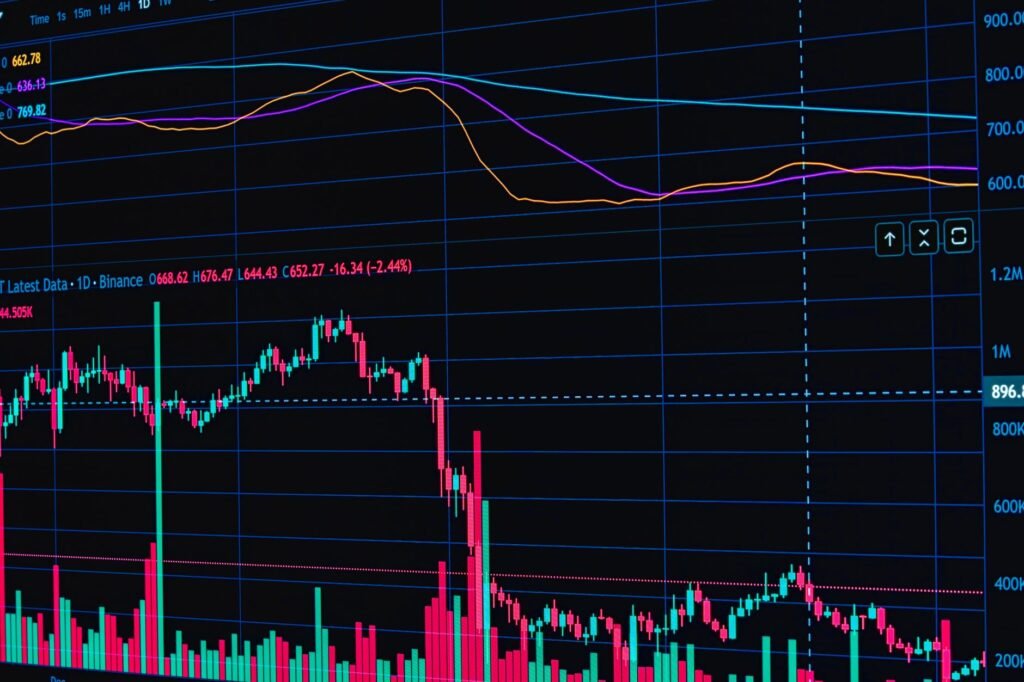
From a bullish perspective, the $635 million outflow may represent a temporary “shakeout” of weaker institutional hands. If the asset price maintains its structural support despite this selling pressure, it could signal a resilient floor, potentially setting the stage for a “buy the dip” scenario. Historical data suggests that institutional accumulation often resumes once the market demonstrates that it can absorb significant selling volume without a cascading decline.
Bear Risk
The bear risk centers on the DWF Labs data, which suggests that ETF selling behavior is tethered to specific price points. If the current outflow is merely the precursor to a more systematic divestment trend, the market could face a liquidity crunch. Should the price continue to trend toward the levels identified by DWF Labs as triggers for deeper selling, the resulting feedback loop could force further liquidations, placing downward pressure on the broader digital asset ecosystem.
What to Watch Next

Investors should monitor daily net flow data for spot Bitcoin ETFs to determine if the October 22 outflow is an outlier or the start of a sustained trend. Uncertainty remains regarding whether institutional investors are rotating out of crypto entirely or simply rebalancing portfolios. Tracking the correlation between ETF flow volumes and the price levels identified by DWF Labs will be critical in assessing the risk of further institutional capitulation.
Source
BeInCrypto: https://beincrypto.com/bitcoin-etf-635-million-outflow-key-level/?.tsrc=rss
This analysis is for information only and is not investment advice.
Related Analysis
- Bitcoin Resilience Meets Macro Headwinds: A Market Assessment
- JPMorgan’s Long-Term Bitcoin Outlook: Assessing the Institutional Shift
- Coinbase Pivot: SEC Wins and Quantum Vulnerabilities
Visual credits: https://kaboompics.com/ / Pexels; Rafael Minguet Delgado / Pexels; https://kaboompics.com/ / Pexels