Overview
The intersection of geopolitical instability and financial markets has intensified following military engagements between the United States and Iranian forces near Larak Island. As regional tensions escalate into direct conflict, global investors are witnessing a classic flight-to-safety dynamic, characterized by a retreat in risk-on assets like Bitcoin and a sharp appreciation in energy commodities.
Official Facts
According to recent reports, United States military forces conducted strikes against two missile sites belonging to the Islamic Revolutionary Guard Corps (IRGC) on Larak Island. In response to these actions, Iranian forces initiated retaliatory strikes against U.S. positions in the Middle East. Consequently, Bitcoin has experienced a downward trend, retreating from recent highs toward the $77,000 support level. Simultaneously, global oil prices have surged, recording a daily increase of more than 2% as markets price in the potential for supply chain disruptions in a critical energy-producing region.
Why It Matters for Markets
The primary concern for global markets is the potential for a sustained conflict to disrupt the Strait of Hormuz, a vital chokepoint for global oil transit. Asset classes most exposed to this volatility include cryptocurrencies, which often serve as a proxy for high-beta risk sentiment, and energy-related equities, which react directly to crude oil fluctuations. When geopolitical risk spikes, liquidity often migrates away from speculative digital assets toward traditional hedges or energy-sensitive sectors. The current price action suggests that market participants are prioritizing capital preservation over growth-oriented positioning until the scope of the military engagement becomes clearer.
Bull Case
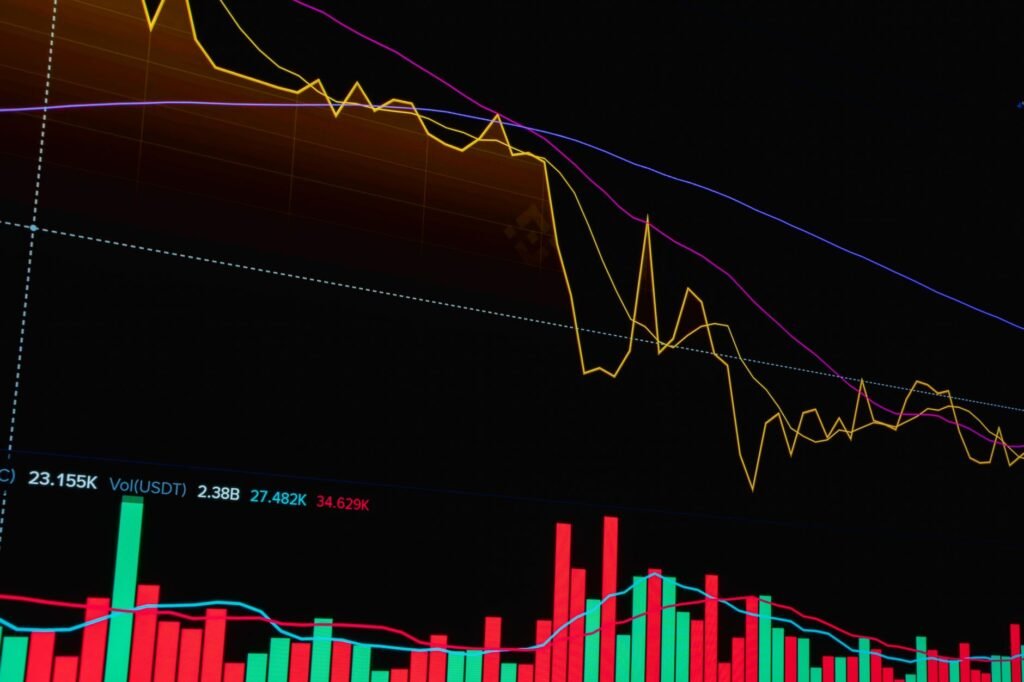
A potential bull case for risk assets rests on the assumption that the current military exchange remains contained and does not escalate into a broader, multi-nation conflict. If diplomatic channels are utilized to de-escalate the situation, the current “war premium” embedded in oil prices could evaporate rapidly. In such a scenario, Bitcoin could regain its momentum, as investors might interpret the dip toward $77,000 as a temporary correction rather than a structural shift in market sentiment. Historical patterns suggest that once the immediate shock of a geopolitical event subsides, risk assets often recover if the underlying macroeconomic environment remains supportive.
Bear Risk
The bear risk centers on the possibility of a protracted conflict that forces a sustained increase in energy costs, potentially reigniting global inflationary pressures. If the situation near Larak Island deteriorates further, the resulting uncertainty could drive a deeper sell-off in risk-sensitive assets. Should oil prices remain elevated or continue to climb, central banks may find their room for monetary policy maneuvering constrained, which would likely act as a headwind for the broader equity and crypto markets. Furthermore, if the conflict leads to a significant “risk-off” environment, capital could move exclusively into sovereign debt or the U.S. dollar, leaving digital assets vulnerable to further downside pressure.
What to Watch Next

Investors should monitor official statements from both the U.S. Department of Defense and Iranian authorities regarding the intensity of the retaliatory strikes. Key indicators to track include the stability of oil supply routes in the Middle East and the volume of outflows from digital asset exchanges. Additionally, tracking the correlation between Bitcoin and traditional safe-haven assets like gold will provide insight into whether the market views the current situation as a temporary geopolitical tremor or a fundamental shift in the global risk landscape.
Source
This analysis is for information only and is not investment advice.
Related Analysis
- North American Trade Fractures: Analyzing the 50% Tariff Implementation
- Federal Reserve Proposes Anti-Money Laundering Regulatory Overhaul
- ECB Professional Forecasts: Q3 2026 Macro Outlook
Visual credits: Rafael Minguet Delgado / Pexels; Rafael Minguet Delgado / Pexels; Monstera Production / Pexels